

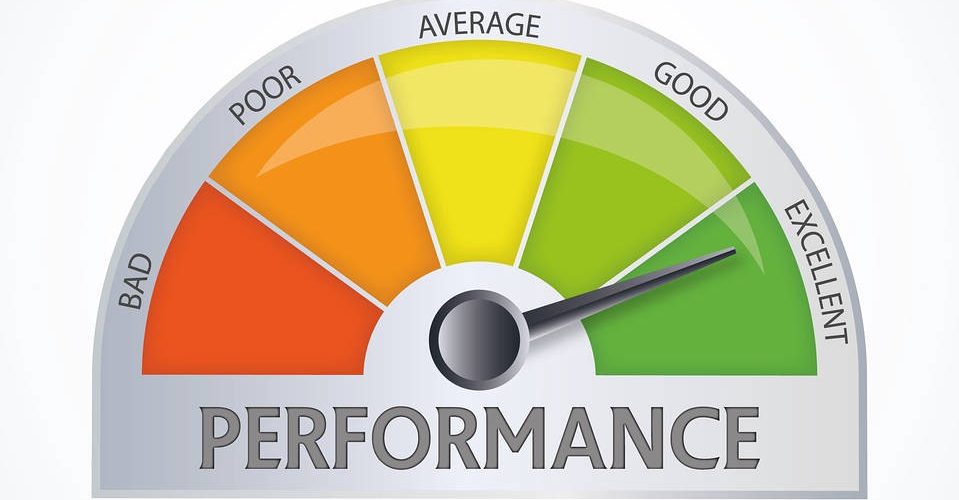





According to a recent piece in the Stanford News, Stanford’s Lytics Lab is gleaning learning analytics data from MOOCs to understand how people learn.
Among the questions these learning analytics can potentially answer is: How can the online course instructor improve his or her instructional approach and better support students?
Who doesn’t love a good infographic?
Most learning analytics systems center on online learning scenarios, where software can collect the data automatically. Using activities that are part of the online learning process — like logins, assignment completion, quiz scores and so on — learning analytics seeks to analyze the “digital breadcrumbs” that students leave as they interact with the online learning environment (and potentially other online spaces, too, such as Facebook).
In the emerging research area of learning analytics, technologists and thought leaders are envisioning ways to reveal how engaged students are, how much they’re learning, and how to enhance the lessons going forward.
In a broader context, learning analytics is envisioned as a tool for improving education in nearly any environment. One new company, Junyo, was created to “make learning data actionable and fun to improve each student’s achievement.”
With so little time available for yet more studying while school is in session, summer is perhaps the most popular time to prepare for standardized tests. In particular, summer is the perfect time for high school juniors to begin preparing to take the ACT or SAT test in the fall. The same goes for seniors [...]
In the wake of a recent cheating episode, the SAT and ACT exams will now require students to upload or mail in a photograph when they sign up for an exam. This photo will be printed on their admissions ticket, and on the roster at the test center. On test day, proctors will compare each test-taker’s photo ID with the photo provided at signup.
In a highly competitive college admissions environment, every advantage counts – and that can include a higher standardized test score. Knowing clearly which exam could give you an edge is a key first step in the test prep process.
College-bound high school students face intense pressure around preparing for standardized admissions testing – including choosing whether to take the SAT or the ACT. While it’s generally recognized that neither test is “easier” or “harder” than the other overall, their formats are different – so one might be better suited to a particular student than the other. But which?