

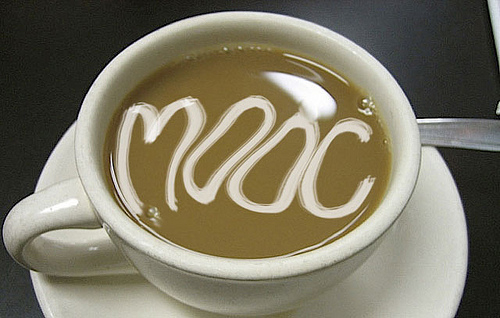

According to a recent piece in the Stanford News, Stanford’s Lytics Lab is gleaning learning analytics data from MOOCs to understand how people learn.
How would you feel about having your essays or short written test answers graded by a software program? Instead of getting results back days or weeks later from an instructor, you’d get instant feedback — and a chance to rewrite the piece for a better grade.
Enter the online tutoring startup Thinkful. Its tagline is “Online school for a better career.” Its aim is to bridge the gap between the skill set you have when you get out of college and the skill set you really need to get a good job: “level-up to find the job you’ll love” as they put it.
Massive Open Online Courses (MOOCs) have come under increasing scrutiny as the modality has grown in popularity. A recent criticism of MOOCs is that their effectiveness is limited because their completion rates are so low.
By linking students’ coursework to their identities, Signature Track provides a way to show achievement and share course records with employers, schools, or whomever you choose.
MOOCs are proliferating by leaps and bounds – but how do you know what’s available?
MOOC type courses, such as those that leverage the Coursera platform, are inherently conceived to empower learners to educate each other, such as through posts and responses in course forums. This form of “crowd-sourced commentary” helps create a learning community – so why not build the community even further by empowering learners to evaluate one another?